
Hydraulic pumps
Gear pumps, axial and bent axis piston pumps, vane pumps and hand pumps; tandem pumps, priority pumps, pump adapters (bell housings) and couplings.
The pump is the heart of a hydraulic system. If it is not selected correctly, the machine will not run at the required speed, however good the rest of the system is. In the hydraulic power units we manufacture, we size the pump from flow, pressure and cycle time, and match it with the electric motor, adapter and coupling. We keep gear pumps and piston pumps in stock, and we find an equivalent for a discontinued pump from its nameplate or its dimensions.
Types
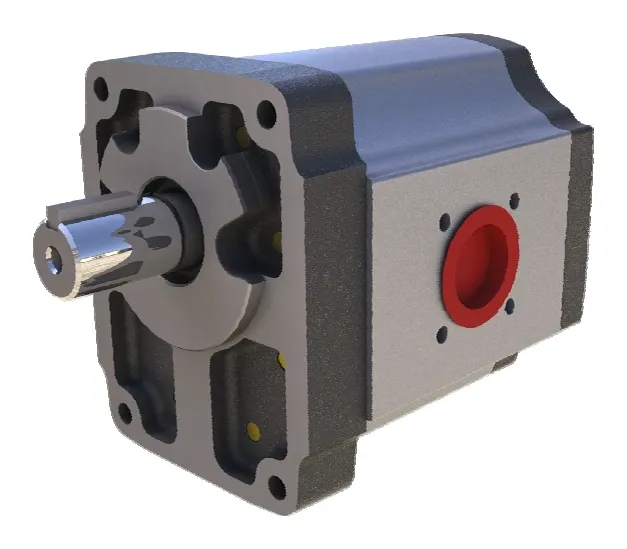
Gear pumps
The most common type: simple, economical and tolerant of contamination, with fixed displacement. Sufficient for most general purpose power units, construction machinery and agricultural machinery.
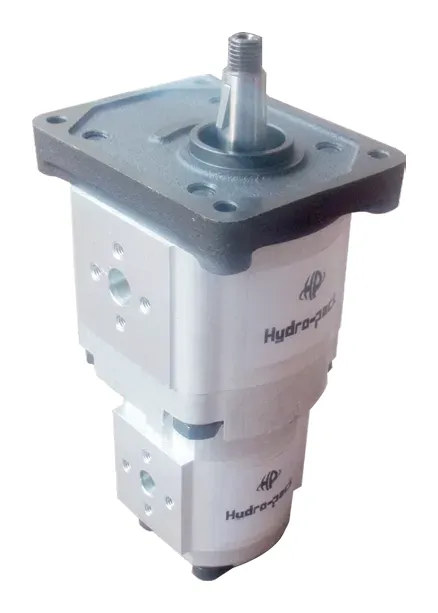
Tandem and multi-stage pumps
Two or more pumps are driven from a single shaft. They feed two independent circuits, or a high flow rapid approach and a high pressure clamping stage, from the same motor.
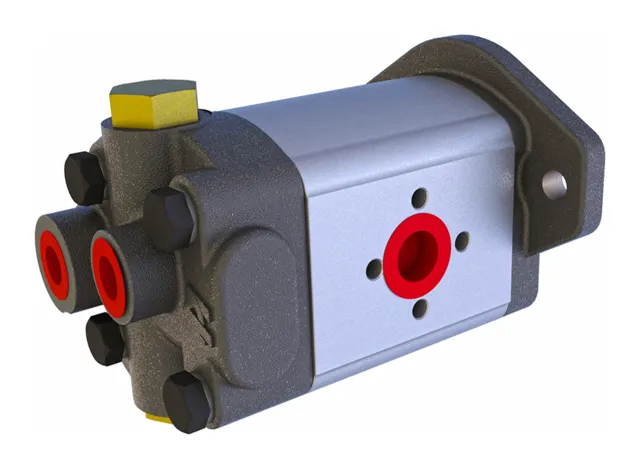
Priority (flow divider) pumps
They divert part of the flow to a priority circuit, for example the steering, and deliver the rest to the other functions.
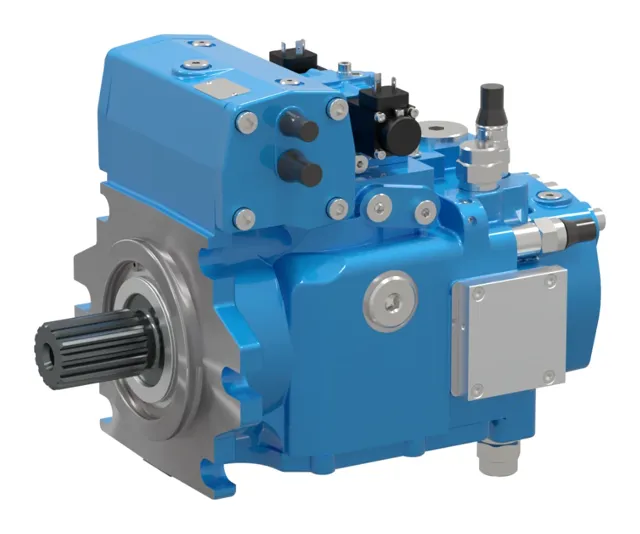
Axial piston pumps
Suitable for long periods of operation at high pressure. Variable displacement types deliver only the flow that is needed, which reduces energy use and heat generation. Used in presses and heavy industry.
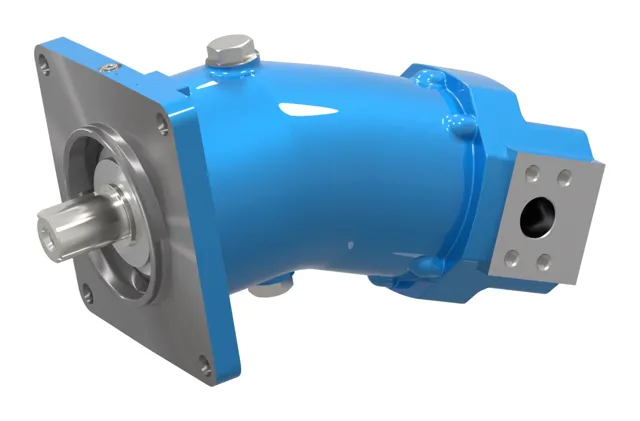
Bent axis piston pumps
Compact and highly efficient. In truck mounted applications such as tippers, cranes and refuse trucks they are driven from the gearbox power take-off.
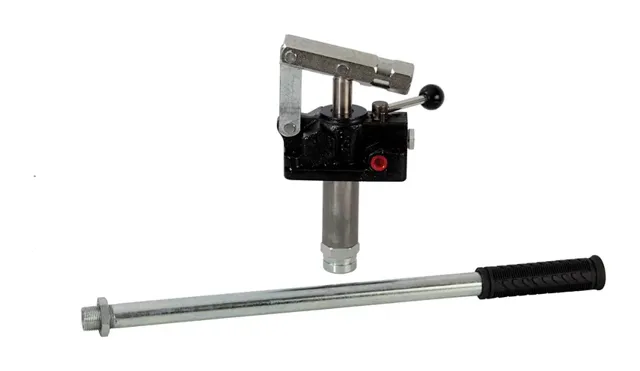
Hand pumps
They generate pressure where there is no electricity or in an emergency. Used in lifting, clamping and test rigs.
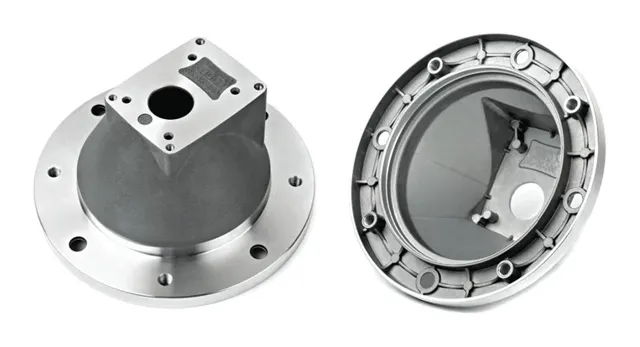
Pump adapters and couplings
Flanges (bell housings) and couplings that connect the pump to an electric motor or an internal combustion engine. They make sure the pump and motor are joined without shaft misalignment.
Vane pumps
Quiet running with low flow ripple. Used in medium pressure machine tools and plastic injection molding machines.
Product images: hidroticaret.com and manufacturers.
How to select
A pump does not generate pressure, it generates flow. Pressure arises from the resistance that this flow meets. Selection therefore starts from the speed the machine needs: the required speed of the cylinder or hydraulic motor gives the required flow, and flow together with motor speed gives the pump displacement. The table below shows this calculation and the motor power required.
The pump type is chosen by working pressure and duty. For short cycle, medium pressure work a gear pump is economical and sufficient. In presses that hold high pressure for long periods, or in systems where the flow has to vary, a piston pump lasts longer and runs cooler.
When replacing a pump, the mounting dimensions must match as well as the displacement: flange type (ISO, SAE or European standard), shaft (parallel, keyed or splined), direction of rotation and the size of the suction and pressure ports. A pump with the wrong direction of rotation will not deliver oil.
The most common cause of short pump life is the suction side: an undersized suction hose, a clogged suction strainer or a low oil level drives the pump into cavitation. Pump noise is often the first sign of this.
Flow and required motor power by displacement (1500 rpm)
| Displacement | Flow | Motor power, 150 bar | Motor power, 200 bar |
|---|---|---|---|
| 4 cm³/rev | 6.0 L/min | 1.8 kW | 2.4 kW |
| 8 cm³/rev | 12.0 L/min | 3.5 kW | 4.7 kW |
| 11 cm³/rev | 16.5 L/min | 4.9 kW | 6.5 kW |
| 16 cm³/rev | 24.0 L/min | 7.1 kW | 9.4 kW |
| 22 cm³/rev | 33.0 L/min | 9.7 kW | 12.9 kW |
| 30 cm³/rev | 45.0 L/min | 13.2 kW | 17.6 kW |
| 40 cm³/rev | 60.0 L/min | 17.6 kW | 23.5 kW |
Calculation: flow = displacement × speed; power = pressure × flow ÷ (600 × efficiency), with an overall efficiency of 0.85. The flow is theoretical; internal leakage in the pump reduces the actual flow slightly. The motor is selected at the next standard power rating above the calculated value.
Frequently asked questions
How do I calculate hydraulic pump flow?
It is displacement multiplied by speed: a 16 cm³/rev pump running at 1500 rpm delivers about 24 L/min. Internal leakage in the pump reduces the actual flow slightly.
Gear pump or piston pump: which one should I choose?
For medium pressure, short cycle work a gear pump is economical and sufficient. A piston pump is chosen for systems that run at high pressure for long periods or where the flow has to vary.
Why is my hydraulic pump noisy?
In most cases the cause is on the suction side: a suction line that is too small or draws air, a clogged filter, a low oil level, or oil that is very cold and thick. If the problem is not fixed, the pump wears out quickly.
System pressure is low. Is the pump faulty?
Not always. A pump generates flow. If pressure is low, the cause is often the relief valve setting or an internal leak somewhere in the circuit. Measuring the pump flow separates the two possibilities.
Can you find an equivalent for my old pump?
Yes. Send us the nameplate or the displacement, the flange and shaft dimensions and the direction of rotation, and we will suggest an equivalent from stock.
Do you supply the pump together with the motor?
Yes. We match the pump, electric motor, adapter and coupling together. On request we build them into a hydraulic power unit with tank and valve block, test it and deliver it.
Stock, sizes and part numbers
Sizes in stock, manufacturer part numbers and brands are kept up to date in our catalog. Send us your requirement on WhatsApp or by e-mail and we will quote and ship worldwide.