
Piston seals
Single- and double-acting piston seals, compact piston seal sets and low-friction PTFE seals: the elements that separate the two chambers of the cylinder.
The piston seal determines the power of the cylinder: when it leaks, the cylinder drifts back under load and both force and speed drop. We supply Kastaş piston seals from stock, and in cylinder manufacturing and repair we treat the piston together with its seal and guide rings.
Types
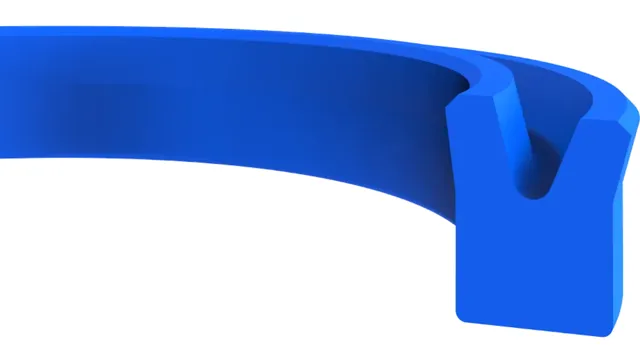
Single-acting piston seals
Lip seals that hold pressure in one direction; for single-acting cylinders, or mounted back to back in double-acting ones.
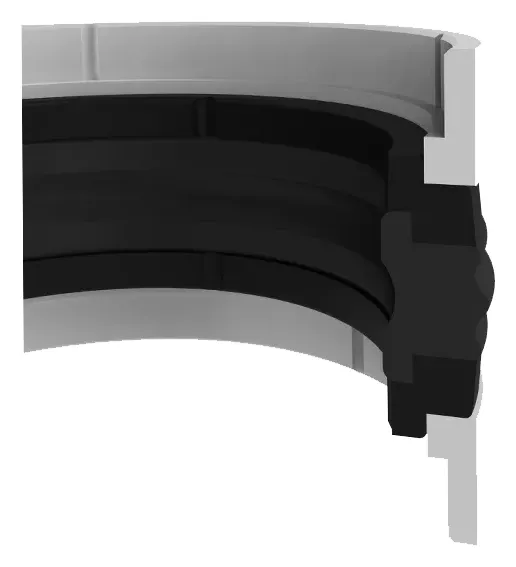
Double-acting compact piston seal sets
Sets that combine the seal, the energizer and the guide rings; they seal both directions in a single groove.
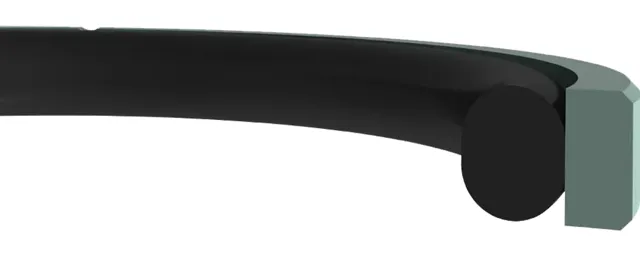
PTFE slide piston seals
A PTFE ring energized by an O-ring; low friction, smooth movement, servo and precision applications.
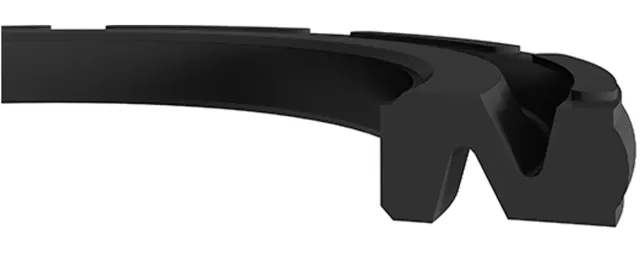
Pneumatic piston seals
Light lip seals for low pressure and high speed (a separate group).
Product images: Kastaş.
How to select
The size of a piston seal starts from the tube bore: bore diameter × groove bottom diameter × groove width. The deciding factors are whether the cylinder is single- or double-acting, the working pressure and how long it has to hold a load in position. For cylinders that must hold a load in position for a long time (for example lifting and elevator applications), profiles that keep internal leakage to a minimum are selected.
A piston seal works against the inner surface of the tube: a honed tube within tolerance determines seal life. Replacing the seal in a cylinder whose tube is out of round, scored or corroded does not solve the problem permanently. During repair we measure the tube and, if necessary, cut a new honed tube.
Internal leakage cannot be seen from outside: if the cylinder slowly drifts back under load or does not deliver the expected force, the piston seal is the first suspect. Before dismantling the cylinder, our service team also checks the valve and line side to confirm that the fault really is at the piston.
Seal materials and approximate operating temperatures
| Material | Abbreviation | Approximate temperature range | Where it is used |
|---|---|---|---|
| Nitrile rubber | NBR | -30 … +100 °C | Mineral oil and grease; general-purpose standard |
| Polyurethane | PU (AU) | -30 … +100 °C | Wear and high pressure; hydraulic rod and piston seals |
| Fluoroelastomer (Viton) | FKM | -20 … +200 °C | High temperature and chemicals |
| Hydrogenated nitrile | HNBR | -30 … +150 °C | Oil at high temperature; mobile hydraulics |
| Ethylene propylene | EPDM | -45 … +150 °C | Water, steam, brake fluid; NOT SUITABLE for mineral oil |
| Silicone | VMQ | -60 … +200 °C | Food contact and wide temperature range; low wear resistance |
| PTFE (bronze or carbon filled) | PTFE | -100 … +200 °C | Low friction; guide rings and slide seals |
The values are the typical range of the material family; the exact limit depends on the profile, the fluid and the manufacturer. The material is always evaluated together with the fluid.
Frequently asked questions
Why does my cylinder drift back under load?
The most common cause is internal leakage at the piston seal; however, the same symptom can also come from a leak in the pilot-operated check valve or load-holding valve. The valve side should be checked before the cylinder is dismantled.
How do I read a piston seal size?
It is read as bore diameter × groove bottom diameter × groove width; because the size starts with the outer diameter, it is easy to tell apart from a rod seal.
What is the advantage of a compact piston seal set?
It combines the seal, the energizer and the guide rings in a single groove; the piston is short and simple to machine, and it seals in both directions.
Can you put together a seal kit for my cylinder?
Yes. From the old seals or the cylinder dimensions we identify the rod seal, piston seal, wiper and guide elements and prepare the kit.
What happens when a piston seal leaks?
Oil passes from one side of the piston to the other: the cylinder creeps slowly under load and cannot deliver full force. Because no leak is visible from outside, it is often mistaken for a pump or valve fault.
How can I tell if a piston seal is leaking?
The cylinder is driven to the end of its stroke and held under pressure while the opposite port is checked for oil. During repair we carry out this test before the cylinder is dismantled.
Stock, sizes and part numbers
Sizes in stock, manufacturer part numbers and brands are kept up to date in our catalog. Send us your requirement on WhatsApp or by e-mail and we will quote and ship worldwide.