
Pneumatic tubing and hoses
Polyurethane, polyamide, polyethylene and PTFE tubing; coiled, flame resistant and multi-tube types. Cut to the required length.
We prepare pneumatic tubing cut to the length you need, with fittings installed if required. Correct cutting and routing determine tube life as much as correct size and material do. On jobs where we build the circuit together, we plan the tubing route with this in mind.
Types
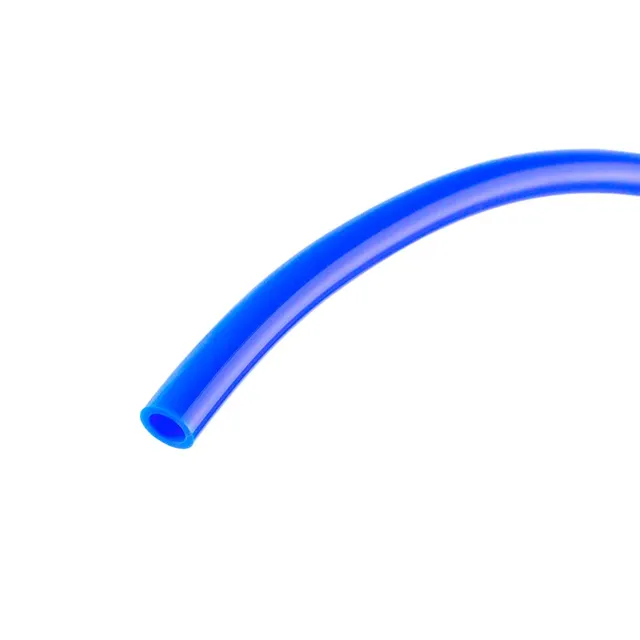
Polyurethane (PU)
Soft and flexible. Bends to a small radius and resists crushing on moving fixtures. The most common type.
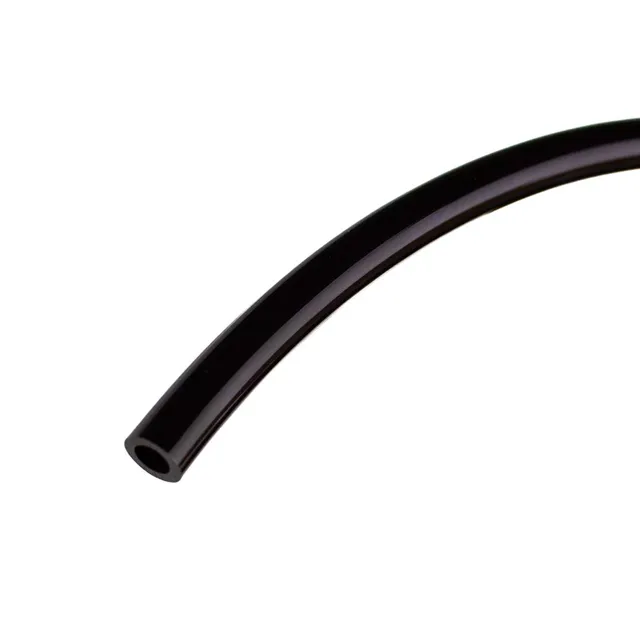
Polyamide (PA)
Harder and temperature resistant, with little swelling under pressure. Fixed installations and routing inside machines.
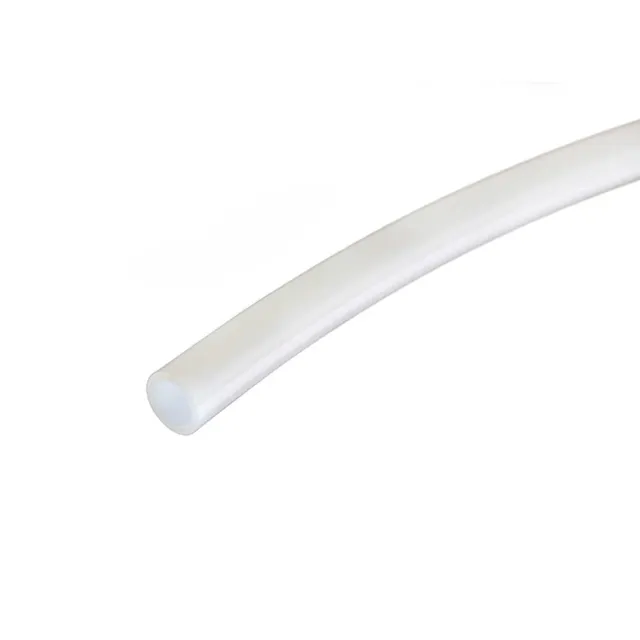
PTFE (Teflon)
Resists chemicals and a wide temperature range. Special environments.
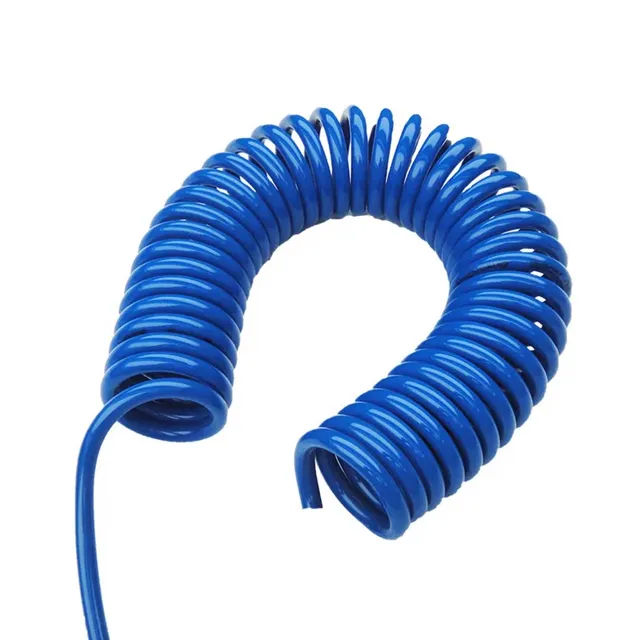
Coiled tubing
Retracts and extends like a spring. Supply for air blow guns and hand tools.
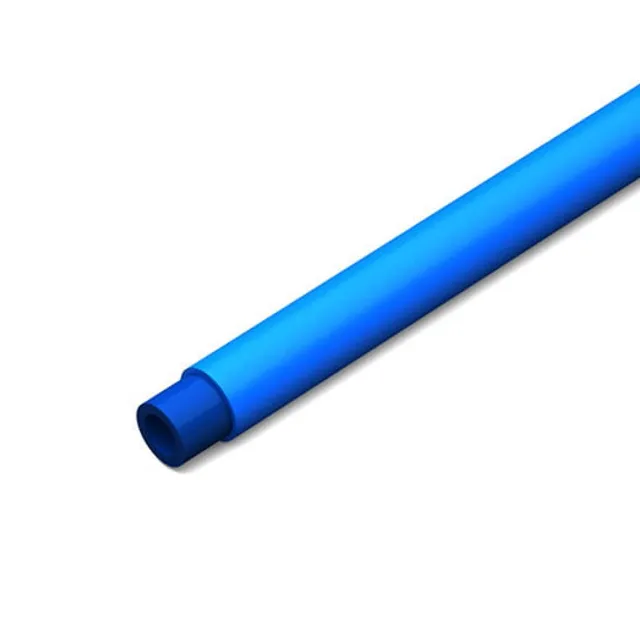
Flame resistant tubing
Covered against weld spatter. Welding lines and robot cells.
Polyethylene (PE)
Economical and light. Fixed lines under low stress.
Multi-tube bundles
Several tubes in a single sheath. Tidy routing at valve terminals and in moving cable carriers.
Product images: Pemaks.
How to select
Pneumatic tubing does not do the same job as a hydraulic hose: the pressure is low (typical mains 6-8 bar), but the line moves often, passes through tight places and is exposed to vibration. That is why a flexible plastic tube is used, and the material is selected according to the movement and environment the tube will see.
Size is given as outside diameter × inside diameter: 8x5.5 means 8 mm outside and 5.5 mm inside diameter. The fitting is selected by the outside diameter, while the inside diameter determines how much air passes. In the table, 8x5.5 and 8x6 fit the same fitting but their bore areas differ by 19 percent: the thin wall tube passes more air, and the thick wall tube is more resistant to crushing.
The most common cause of leaking push-in connections is the cut: on a tube cut at an angle or crushed while cutting, the O-ring does not seat fully. We cut the tube square to the axis with a tube cutter. If the tube is bent tighter than the permitted radius, its cross-section flattens and it cracks at that point. An elbow fitting is used in such places.
Common tubing sizes and air flow capacity
| Size (OD × ID) | Wall thickness (mm) | Fitting size | Bore area (mm²) | Flow (4×2.5 = 1) |
|---|---|---|---|---|
| 4 × 2.5 | 0.8 | 4 mm | 4.9 | 1.00 |
| 6 × 4 | 1.0 | 6 mm | 12.6 | 2.56 |
| 8 × 5.5 | 1.3 | 8 mm | 23.8 | 4.84 |
| 8 × 6 | 1.0 | 8 mm | 28.3 | 5.76 |
| 10 × 6.5 | 1.8 | 10 mm | 33.2 | 6.76 |
Size is always outside × inside diameter. A push-in fitting is selected by the OUTSIDE diameter, and the inside diameter determines how much air passes. 8×5.5 and 8×6 fit the same fitting but their bore area differs by 19%: the thin wall tube passes more air, and the thick wall tube is more resistant to crushing and external impact. The flow column is the ratio of the bore areas (area = π × ID² ÷ 4), not a pressure loss calculation.
Frequently asked questions
What does 8x5.5 tubing mean, and which fitting do I need?
It means 8 mm outside diameter and 5.5 mm inside diameter. A push-in fitting is selected by the outside diameter, so you need an 8 mm fitting. The inside diameter does not concern fitting selection but the amount of air that will pass through the line.
What is the difference between polyurethane and polyamide tubing?
Polyurethane is soft, bends to a small radius and resists crushing. It is preferred on moving fixtures. Polyamide is harder and withstands higher temperature, and it expands less under pressure. It is used for fixed installations and routing inside machines.
Should I buy 8x5.5 or 8x6 tubing?
Both fit an 8 mm fitting. 8x6 has a thinner wall and a 19% larger bore area, so it passes more air. This is an advantage on long lines and fast cylinders. Because 8x5.5 has a thicker wall, it is more resistant to crushing and external impact and is more suitable on moving and unprotected routes.
How many bar can pneumatic tubing withstand?
It is designed for mains pressure of 6-8 bar and includes a safety margin. However, strength decreases with temperature: the same tube does not carry at 60 °C the pressure it carries at room temperature. If it will work in a hot environment, polyamide or PTFE is preferred.
Can I bend pneumatic tubing as much as I like?
No. Every tube has a minimum permitted bend radius. When it is bent tighter, the cross-section flattens, flow drops and the tube fatigues and cracks at that point. Where a sharp turn is needed, a 90° elbow fitting is used instead of forcing the tube.
How does coiled tubing differ from straight tubing?
Coiled tubing retracts onto itself when not in use and extends when pulled. It is preferred on moving workstations and for hand tool supply because it keeps tubing off the floor. Compared with straight tubing of the same inside diameter, the pressure loss is slightly higher because the line is longer.
Can you cut the tubing to the length I want?
Yes. We supply pneumatic tubing by the meter, cut to the length you want. If needed, we also prepare it with the fittings installed.
Stock, sizes and part numbers
Sizes in stock, manufacturer part numbers and brands are kept up to date in our catalog. Send us your requirement on WhatsApp or by e-mail and we will quote and ship worldwide.
Pneumatic tubing and hoses in the catalog Online store (Turkish) →