
Hydraulic blanking plugs and caps
Socket head and hex head plugs, magnetic plugs, JIC and ORFS blanking caps and plastic protective plugs; BSP, metric and UNF threads.
Closing an unused port looks simple, but a plug with the wrong thread or the wrong seal becomes the weakest point of the system. On valve manifolds, tanks and housings we measure the thread and sealing method of the port and select the plug that suits it. We ship plugs and blanking caps from stock anywhere in Türkiye and abroad, and also sell them through our online store hidroticaret.com (Turkish).
Types
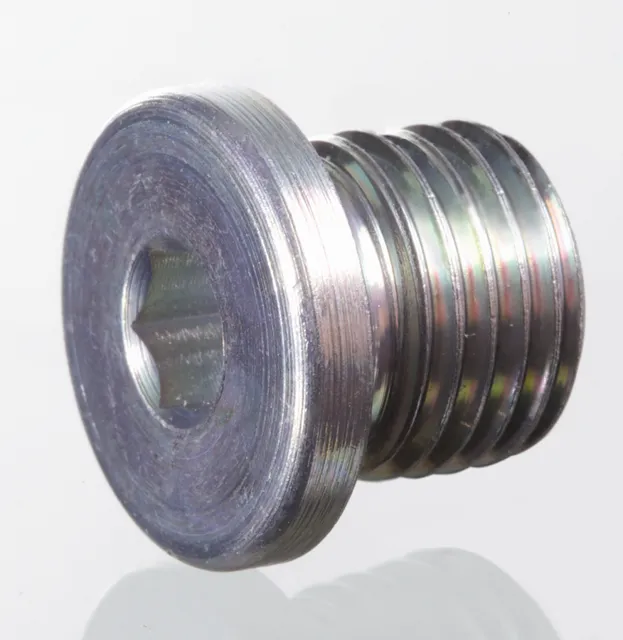
Socket head plugs
Recessed head; used in tight spaces and on manifolds where the plug must not protrude from the surface.
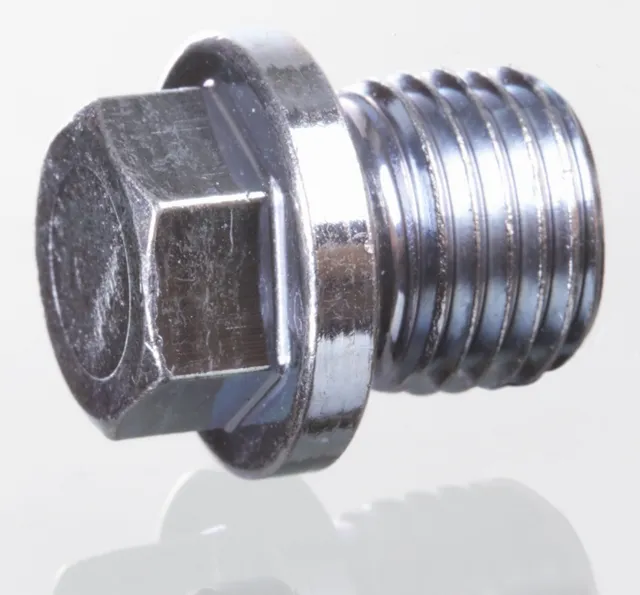
Hex head plugs
Tightened with a spanner; practical where high tightening torque is needed and the plug is removed often.
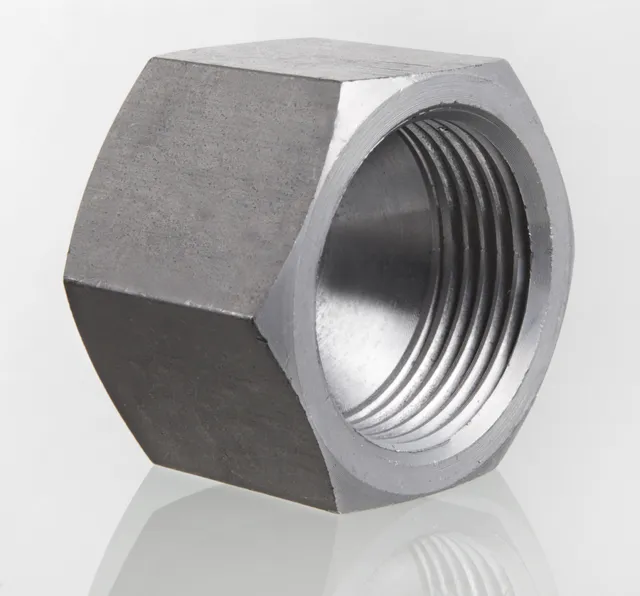
Blanking caps and cap nuts
Caps that close JIC and ORFS male ends or hose fittings; the port is closed without dismantling the line.
Magnetic plugs
The magnetic tip holds steel particles in the oil; in the tank drain port it gives the first sign of wear.
Plastic protective plugs
Keep dirt out of ports during storage and transport; they do not hold pressure.
How to select
A plug is selected by the thread type and sealing method of the port it closes. On parallel thread ports (BSP, metric, UNF) the seal is made by a sealing washer or O-ring; on tapered thread ports (BSPT, NPT) by the thread itself. The table below compares these methods.
A plug must withstand the pressure of the line its port belongs to. A plug in a pressure line carries the maximum pressure and pressure spikes of that line; plastic protective plugs do not hold pressure and are used for storage only.
A magnetic plug is a simple maintenance tool: when the tank is drained, the amount and size of the steel particles collected on it give the first indication of pump and cylinder wear.
Sealing methods for plugs
| Thread and standard | Seal | Note |
|---|---|---|
| BSPT (R) and NPT, tapered | The thread itself; tape or liquid sealant | Tightens as it is screwed in; not suited to repeated removal |
| BSP (G), parallel | Copper, aluminum or elastomer bonded (ED) seal | The seal should be replaced at every removal |
| Metric parallel | ED seal or O-ring | The O-ring type is preferred at high pressure |
| UNF O-ring boss (SAE J1926) | O-ring seated in the chamfer of the port | On valves and pumps of American origin |
| ORFS blanking cap | O-ring in the flat face | In mobile hydraulics with vibration |
Frequently asked questions
Is there a difference between a blanking plug and a protective plug?
A blanking plug is generally a pressure-resistant plug that closes a port permanently; a protective plug only keeps dirt out during transport and does not hold pressure.
Should I choose a socket head or a hex head plug?
Socket head if space is tight and the plug must not protrude from the surface; hex head if it is removed often and high torque is needed.
What pressure can a hydraulic plug withstand?
It depends on the material, size and thread; a plug used in a pressure line must be selected for the pressure class of the line.
Can a plug seal be reused?
Copper and ED seals take a set at first tightening; for a reliable seal a new one should be fitted at every removal.
What does a magnetic plug do?
It holds steel particles in the oil; when the tank is drained, the deposit on it gives the first sign of wear.
Stock, sizes and part numbers
Sizes in stock, manufacturer part numbers and brands are kept up to date in our catalog. Send us your requirement on WhatsApp or by e-mail and we will quote and ship worldwide.
Hydraulic blanking plugs and caps in the catalog Online store (Turkish) →