
Industrial hoses
Water, air, hot water and steam, suction and delivery, fuel, spray and pressure washer, food, chemical and concrete hoses.
Outside hydraulics, a hose is selected by the fluid it carries, the temperature and the pressure: the wrong hose collapses under suction and starves the pump, or breaks down quickly with hot or chemical media. We review the fluid and the operating conditions with you, recommend the hose together with its clamp and fitting, and build it as a fitted hose assembly when needed. We ship industrial hoses from stock anywhere in Türkiye and abroad, and also sell them through our online store hidroticaret.com (Turkish).
Types
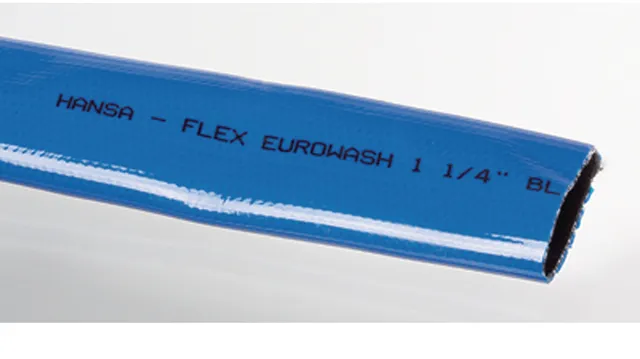
Water hoses
General water transfer, irrigation and cleaning. Working pressure and resistance to the outdoor environment (UV, abrasion) drive the selection.
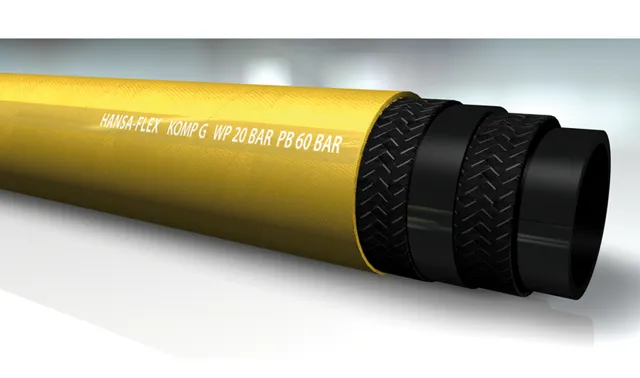
Air hoses
Compressor lines and pneumatic hand tools. Pneumatic lines on the machine itself use polyurethane tubing instead.
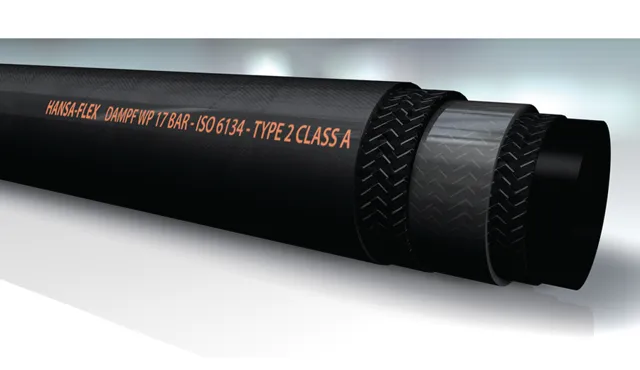
Hot water and steam hoses
Hot water lines, cleaning and process duty. For steam, only hose made for steam is used.
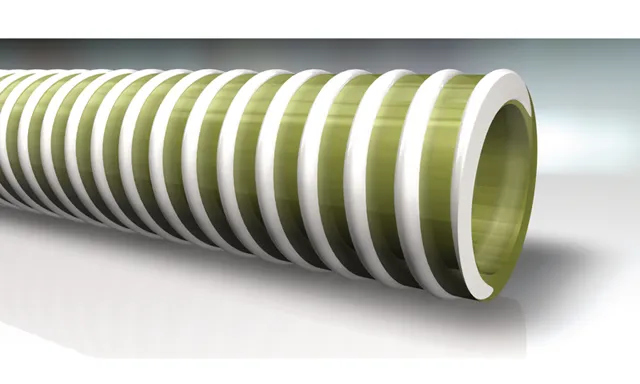
Suction and delivery hoses
Pump suction, liquid transfer and vacuum tankers. Spiral reinforcement prevents collapse under vacuum; clear types let you see the flow.
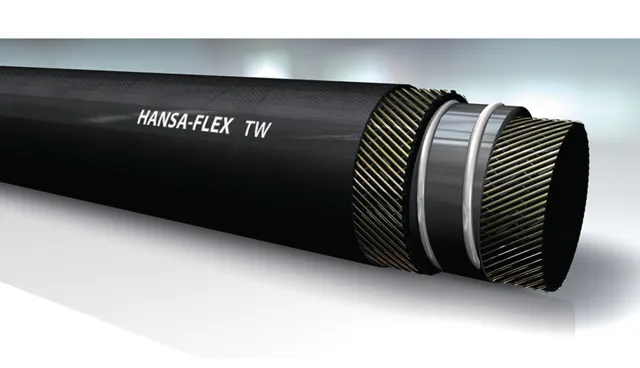
Fuel hoses
Fuel and oil transfer and dispensing. Oil and fuel resistant inner tube; grounding wire against static electricity.
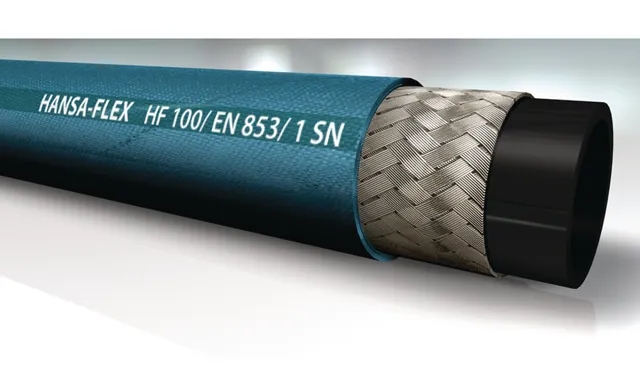
Spray and pressure washer hoses
Agricultural sprayers and pressure washers. High pressure and chemical resistance; hot water grade for washing.
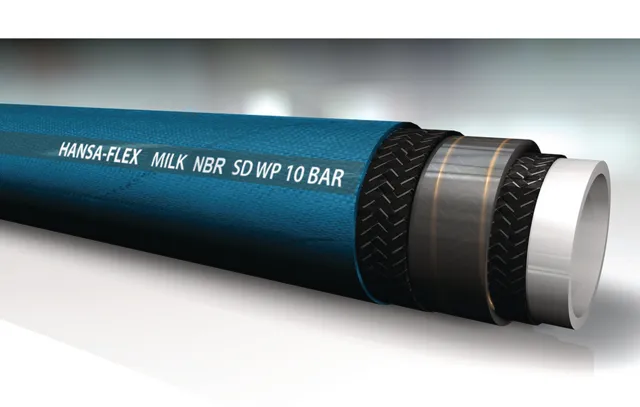
Food, chemical and concrete hoses
Food grade inner tube, chemical resistance matched to the fluid, and abrasion resistance for concrete pumps.
How to select
Industrial hose selection starts with the fluid: the inner tube must be resistant to the medium it carries. A hose made for oil and fuel breaks down quickly in hot water, and a hose made for hot water breaks down quickly in oil. The table below shows the most common inner tube materials and the fluids they are suitable for.
The second question is pressure and vacuum. A hose in a delivery line must withstand internal pressure, while a hose in a suction line must withstand external pressure: an unreinforced hose collapses under suction and starves the pump. This is why suction hoses have spiral reinforcement.
Temperature means both the fluid temperature and the ambient temperature. With steam hose, a wrong choice is a direct risk of injury; only hose manufactured and marked for steam is used in a steam line.
Fittings and clamps are selected together with the hose. A clamp is enough on low pressure lines; pressurized lines need a crimped fitting or a connector suited to the hose.
Fluid compatibility by inner tube material
| Inner tube | Suitable fluids | Not suitable for |
|---|---|---|
| NBR (nitrile) | Hydraulic oil, diesel, fuel, compressed air | Steam, ketones, strong acids |
| EPDM | Hot water, steam (steam grade), dilute acids and alkalis | Oil and fuel |
| PVC | Water, irrigation, mild chemicals, suction | High temperature and oil |
| Natural rubber (NR) | Abrasive media, concrete, sand | Oil and fuel |
| UHMWPE and PTFE | Chemical transfer, solvents | Routings that require tight bending |
The table is a general guide; the concentration and temperature of the fluid change the resistance. The final selection is made with the hose manufacturer's chemical resistance chart.
Frequently asked questions
Can a hydraulic hose be used in a water line?
Its pressure rating is usually sufficient, but the inner tube is made for oil; it breaks down in hot water and steam. A water line should use a hose made for water.
Why is a suction hose spiral reinforced?
Under suction the inside of the hose is at vacuum and the external pressure tries to collapse it. The spiral reinforcement prevents collapse.
What should I check when choosing a steam hose?
Use only hose manufactured and marked for steam, choose fittings suited to steam hose, and inspect the hose regularly.
Why is grounding important in a fuel hose?
Flowing fuel builds up static electricity, and a spark is a fire hazard. This is why fuel hoses have a grounding wire.
What information do I need to give to select an industrial hose?
The fluid, the temperature, the working pressure (say so if it is suction), the inside diameter and the length. With this information we recommend the hose and its clamp together.
Do you supply hose assemblies with fittings?
Yes. We also build industrial hoses to length, complete with fittings and clamps.
Stock, sizes and part numbers
Sizes in stock, manufacturer part numbers and brands are kept up to date in our catalog. Send us your requirement on WhatsApp or by e-mail and we will quote and ship worldwide.