
Hose protection and clamps
Plastic spiral guard, textile and fire sleeves, burst protection sleeves, hose and tube clamps, worm drive hose clamps and hose tails.
Most hoses die not from pressure but from abrasion, hot surfaces and vibration; protection and clamping multiply hose life several times over. When we build hose assemblies we also think about the routing, and recommend spiral guard where the hose rubs, a fire sleeve near hot surfaces and mounting clamps on long runs. We ship hose protection and clamps from stock anywhere in Türkiye and abroad, and also sell them through our online store hidroticaret.com (Turkish).
Types
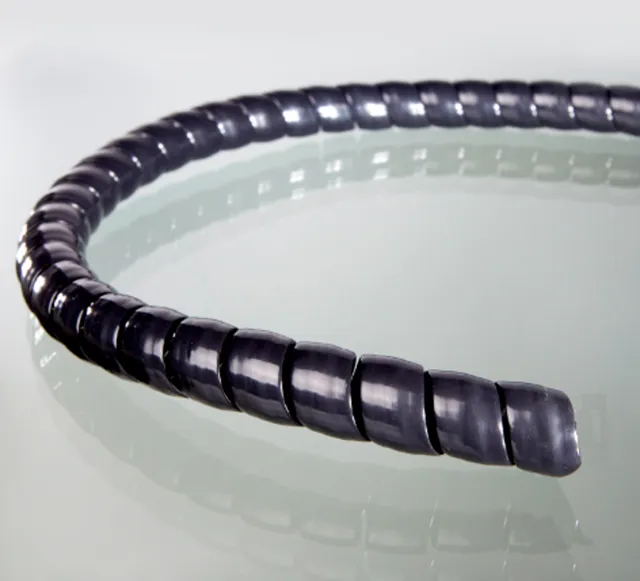
Plastic spiral hose guard
Wrapped around the outside of the hose; protects against abrasion and impact and keeps bundled hoses together.
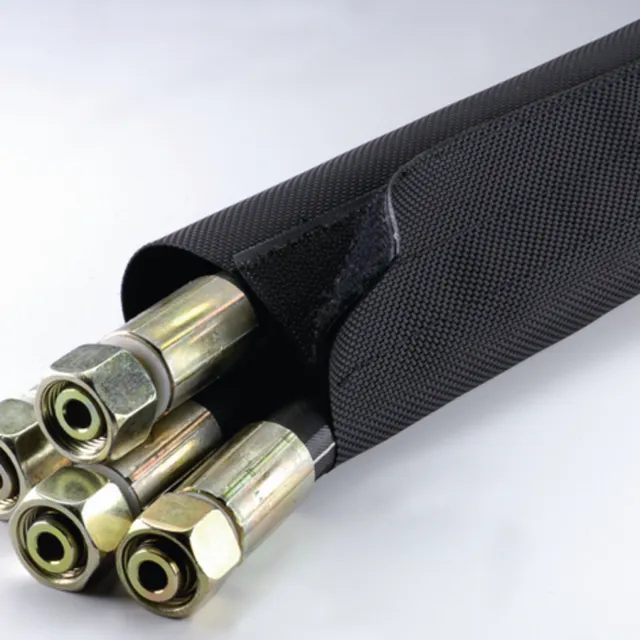
Textile protective sleeves
A braided sleeve pulled over the hose; protects against abrasion without reducing flexibility.
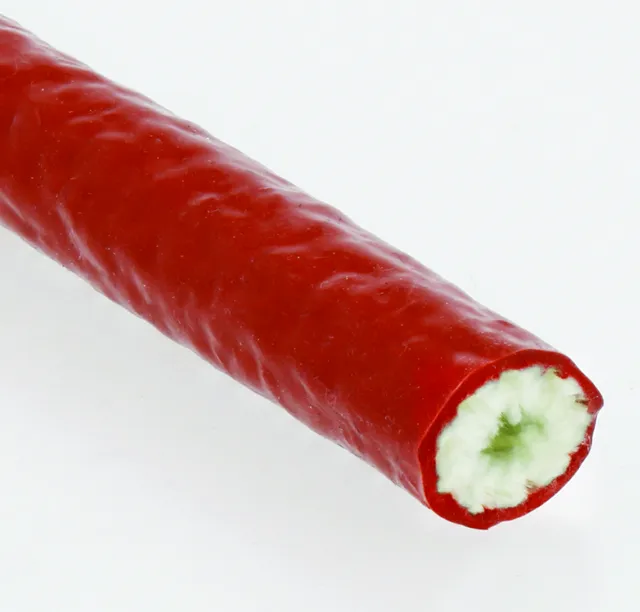
Fire (heat) sleeves
Protect a hose routed near the exhaust and hot surfaces from heat and weld spatter.
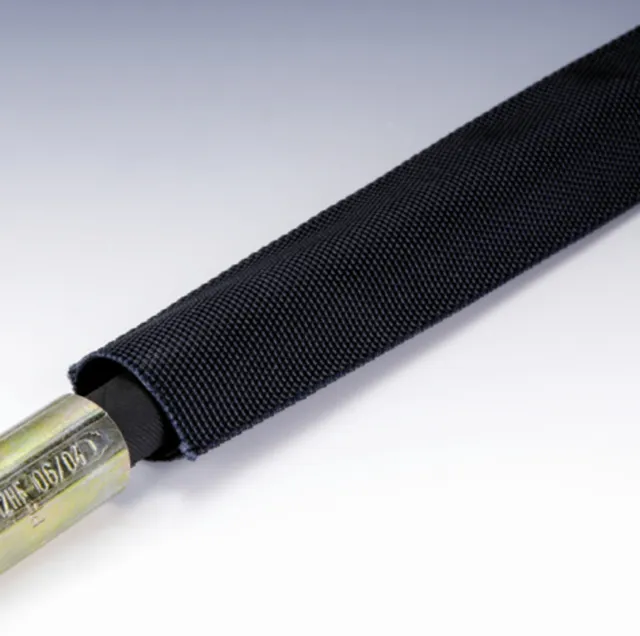
Burst protection sleeves
Contain the oil jet if the hose bursts; a safety measure on high pressure hoses routed close to the operator.
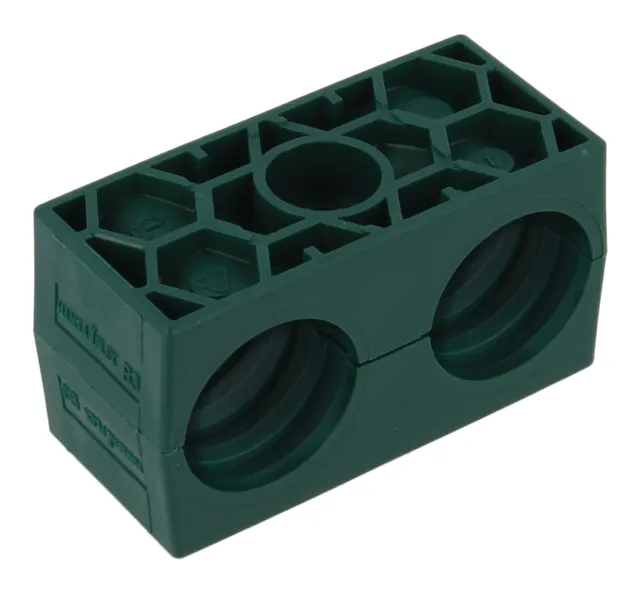
Hose and tube clamps
Fix the hose and tube to the frame; prevent vibration and rubbing. Single, twin and multiple types.
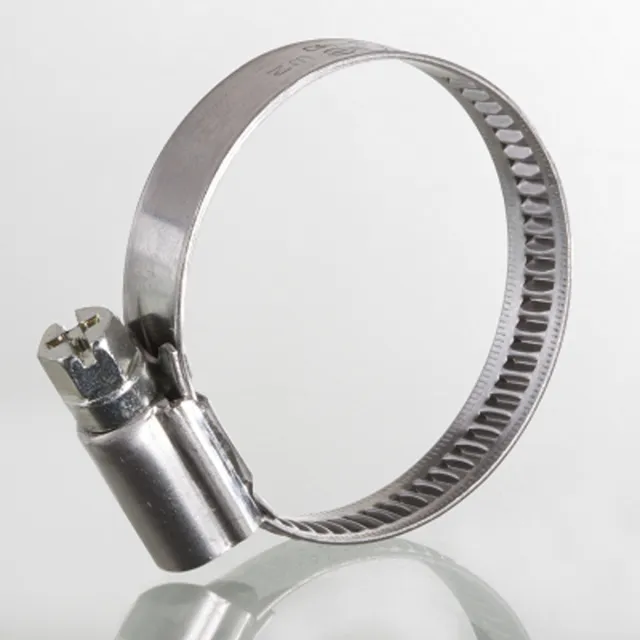
Worm drive hose clamps
Clamp low pressure industrial hoses onto the fitting; used on water, air and suction lines.
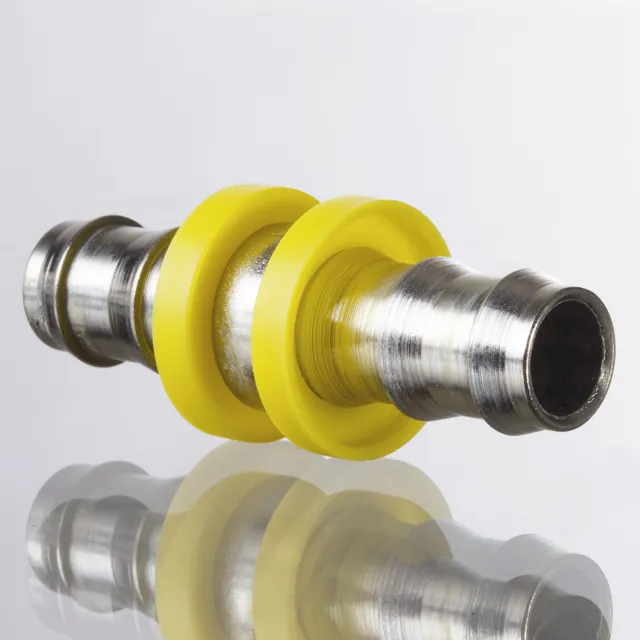
Hose tails
Joining parts (hose menders) that connect low pressure hoses to each other or to the line.
How to select
Protection is selected according to the hazard along the hose routing. Spiral guard or a textile sleeve is used where the hose rubs, a fire sleeve near a hot surface, and a burst protection sleeve on a high pressure line that passes next to the operator. The table below shows this matching.
A mounting clamp stops vibration and keeps the hose from rubbing against the frame. But the hose must not be crushed in the clamp and must not be gripped completely, so that it can change length under pressure; on tube lines the clamp spacing is chosen close enough that the tube does not vibrate.
Worm drive clamps are for low pressure lines only. No clamp is used on a hydraulic pressure line; the hose is crimped to its fitting.
Choosing hose protection by hazard
| Hazard | Protection | Note |
|---|---|---|
| Rubbing and abrasion | Plastic spiral guard or textile sleeve | Also keeps hose bundles together |
| Hot surface, exhaust, welding | Fire (heat) sleeve | Moving the routing away from the hot surface comes first |
| High pressure close to the operator | Burst protection sleeve | Prevents injury from the oil jet |
| Vibration | Mounting clamp | The hose is not gripped completely |
| Sharp edges and impact | Spiral guard and corrected routing | Rounding the edge is the permanent solution |
Frequently asked questions
Is spiral hose guard really necessary?
Yes, if the hose rubs against a surface. Abrasion wears through the outer cover and then reaches the braid; spiral guard extends hose life at low cost.
How do I choose the size of spiral hose guard?
By the outside diameter of the hose. The guard should be wrapped tightly on the hose but without crushing it.
When is a fire sleeve used?
When the hose passes near the exhaust, the engine block or a welding area. Where possible, the routing is first moved away from the hot surface.
Are clamps used on hydraulic lines?
Mounting clamps are used; worm drive clamps that tighten the hose onto a connection are not. On a hydraulic pressure line the hose is crimped to the fitting.
How tight should a hose clamp be?
On a worm drive clamp, tight enough that there is no leak between hose and fitting; overtightening cuts the hose. In a mounting clamp the hose should be held without being crushed.
How is hose tail size determined?
By the inside diameter of the hose, given in inches. The inside diameter is printed on the hose; if it cannot be read, it is measured at the cut end. Selecting by outside diameter is a common mistake: hoses with the same inside diameter have different outside diameters depending on the reinforcement.
Is a hose tail the same as a fitting?
No. A fitting is a threaded or compression connector that joins two lines; a hose tail is the part that goes into the end of the hose and prepares it for connection. The two are usually ordered together.
Stock, sizes and part numbers
Sizes in stock, manufacturer part numbers and brands are kept up to date in our catalog. Send us your requirement on WhatsApp or by e-mail and we will quote and ship worldwide.
Hose protection and clamps in the catalog Online store (Turkish) →