
ORFS fittings
O-ring face seal (SAE J1453, ISO 8434-3) hose fittings, adapters, bulkhead fittings, blanking caps and ORFS O-rings.
In mobile hydraulics with vibration and high pressure, metal-to-metal seat connections loosen and weep over time; ORFS solves this by sealing with an O-ring in the flat face. In hose assemblies for construction machinery we select ORFS fittings from the same system as the hose and crimp them, and on leaking connections we find the cause by checking the O-ring and the sealing face. We ship ORFS fittings and adapters from stock anywhere in Türkiye and abroad, and also sell them through our online store hidroticaret.com (Turkish).
Types
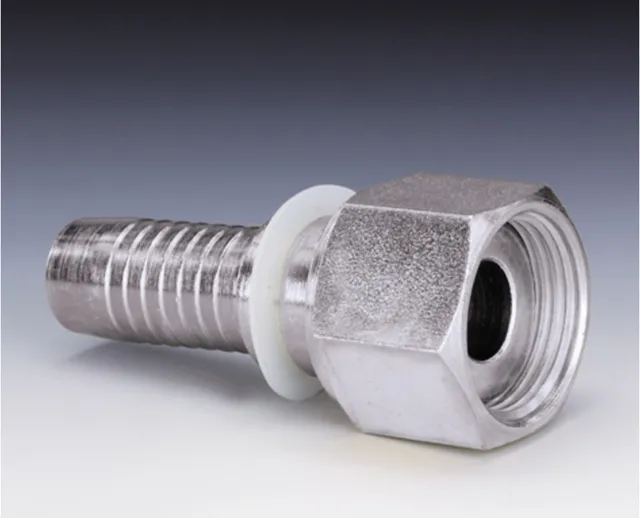
ORFS hose fittings
Straight and elbow fittings crimped onto the hose; the female swivel nut end seats against the flat face of the mating part with an O-ring.
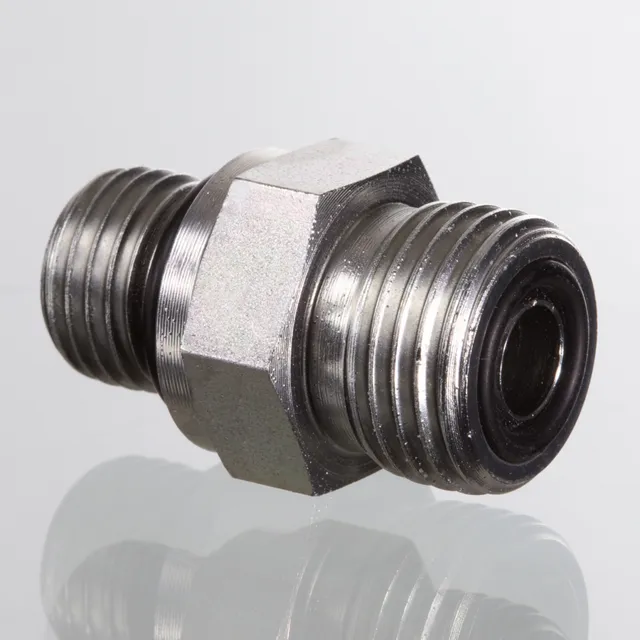
ORFS adapters
Adapters with a male ORFS end that connect to valve, cylinder and pump bodies; the port side can be BSP, metric or UNF.
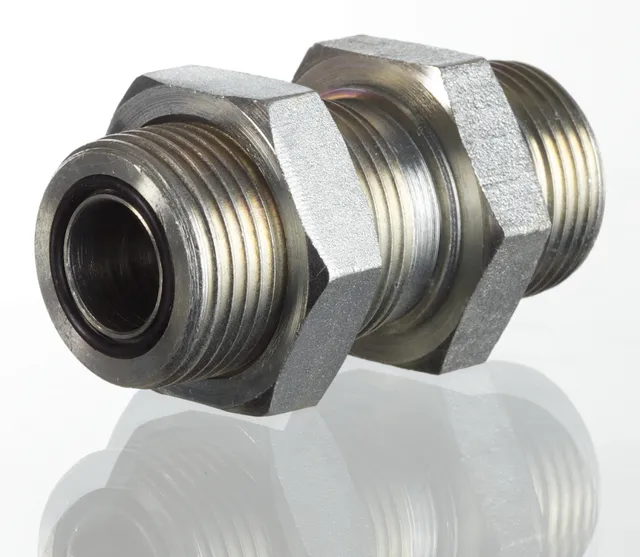
ORFS bulkhead fittings
ORFS connections that pass through a chassis or panel.
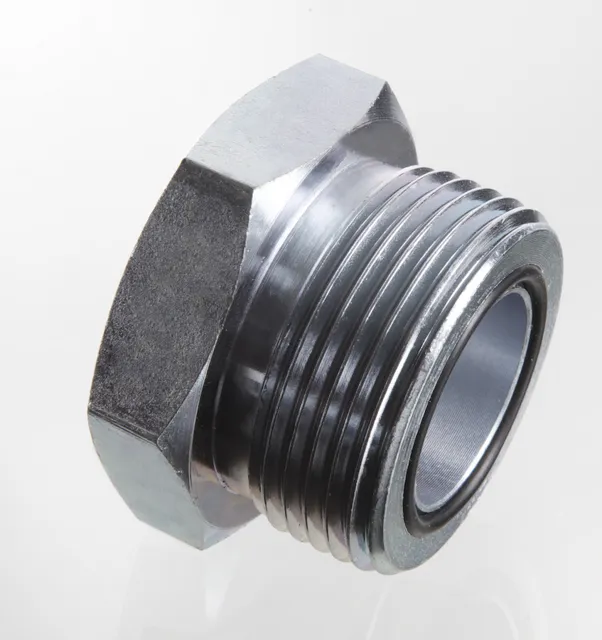
ORFS blanking caps and plugs
ORFS caps and plugs that close a line temporarily or permanently.
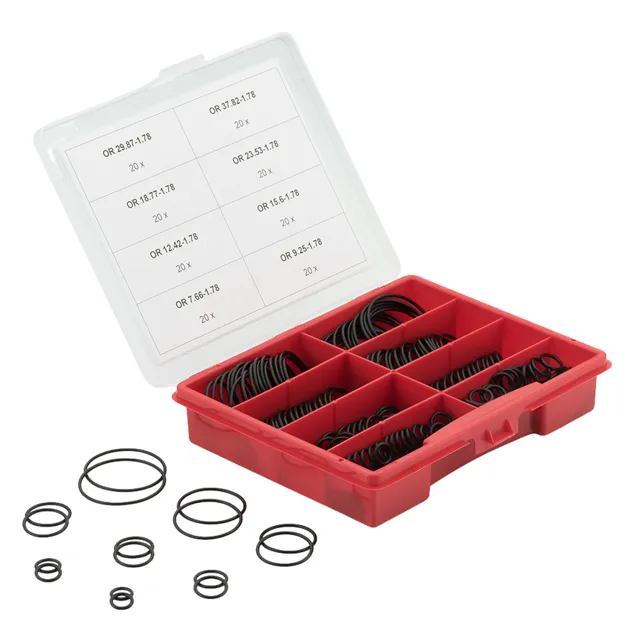
ORFS O-rings
Size-specific O-rings that sit in the face groove; replacement at every disassembly is recommended.
How to select
In ORFS the seal is not made on the thread but by the O-ring seated in the groove on the flat face of the male part. When the nut is tightened, the O-ring is pressed against the flat face of the mating part; compared with metal-to-metal JIC connections it is far more reliable under vibration and high pressure.
The size is designated by a fractional inch UN thread and a dash size. The table below gives the thread and tube equivalent of each dash size; measuring the thread and finding the dash size in the table is the fastest way to identify a size.
If an ORFS connection leaks, look at the O-ring first: an O-ring that is flattened, cut or extruded out of the groove is the most common cause. The O-ring material must suit the oil and the temperature; NBR is preferred for general use and FKM at high temperature. A scratch on the sealing face also causes leaks.
ORFS sizes (SAE J1453)
| Dash size | Thread | Tube / hose size |
|---|---|---|
| -4 | 9/16-18 UNF | 1/4" |
| -6 | 11/16-16 UN | 3/8" |
| -8 | 13/16-16 UN | 1/2" |
| -10 | 1-14 UNS | 5/8" |
| -12 | 1 3/16-12 UN | 3/4" |
| -16 | 1 7/16-12 UN | 1" |
| -20 | 1 11/16-12 UN | 1 1/4" |
| -24 | 2-12 UN | 1 1/2" |
The dash size gives the tube outside diameter in sixteenths of an inch: -8 = 8/16 = 1/2". ORFS and JIC have different threads at the same dash sizes.
Frequently asked questions
Why is ORFS considered more reliable than JIC?
JIC seals metal to metal on a cone seat and can loosen under vibration. Because ORFS seals with an O-ring, it weeps less under vibration and high pressure.
What material should an ORFS O-ring be?
NBR for general hydraulic use; FKM for high temperature or special fluids. The O-ring size is specific to the ORFS groove.
My ORFS connection is leaking, what should I check first?
Whether the O-ring is flattened, whether it sits correctly in the groove and whether the sealing face is scratched. Overtightening the nut does not solve the problem; it crushes the O-ring.
Should the O-ring be replaced at every disassembly?
It is recommended. The O-ring takes a set at first tightening; when reused, its sealing is weaker.
How do I identify an ORFS fitting size?
You can measure the outside diameter of the thread and compare it with the table, or send us a photo of the fitting.
Do you make construction machinery hoses with ORFS fittings?
Yes. We keep exactly the fitting type used on the machine, crimp the hose assembly and deliver it with its traceability tag.
Stock, sizes and part numbers
Sizes in stock, manufacturer part numbers and brands are kept up to date in our catalog. Send us your requirement on WhatsApp or by e-mail and we will quote and ship worldwide.