
Pneumatic actuators
Rack and pinion pneumatic actuators ready to mount on an existing valve; single acting (spring return) and double acting, with ISO 5211 and NAMUR interfaces.
The shortest way to bring a manually operated valve into automation is to mount an actuator on it without replacing the valve. We measure the flange, stem and torque of the existing valve, select the matching actuator and prepare a mounting adapter where needed.
Types
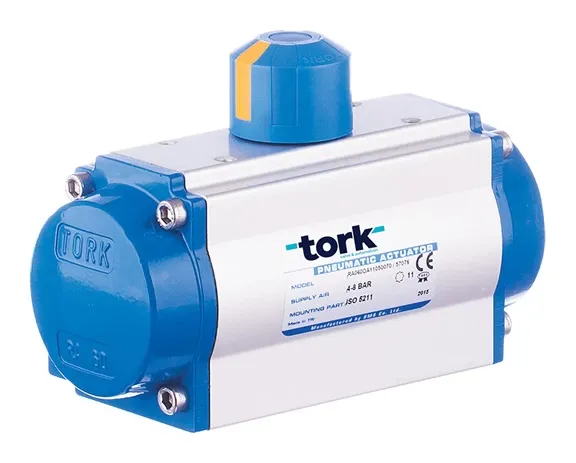
Double acting actuators
Opening and closing are both done by air; the actuator stays in its last position when energy is lost. Delivers higher torque for the same size.
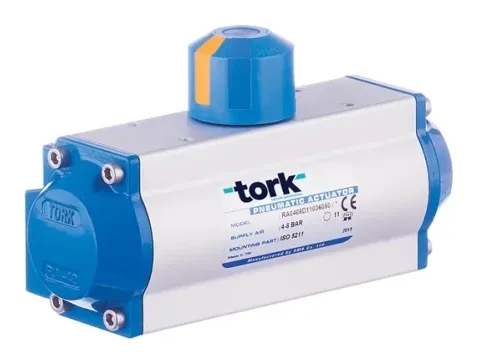
Single acting (spring return) actuators
Rotates by air in one direction and by spring in the other; moves the valve to its safe position when air fails.
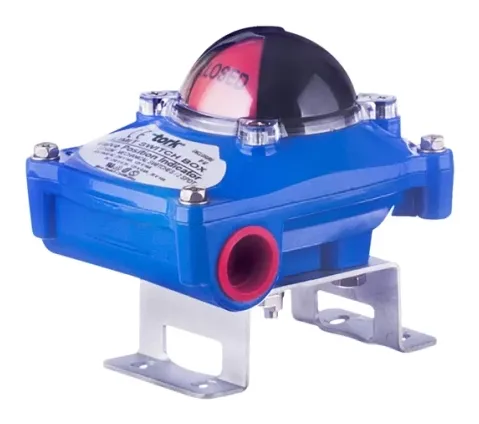
Limit switch boxes
Mounted on top of the actuator; reports the open and closed position of the valve to the control system.
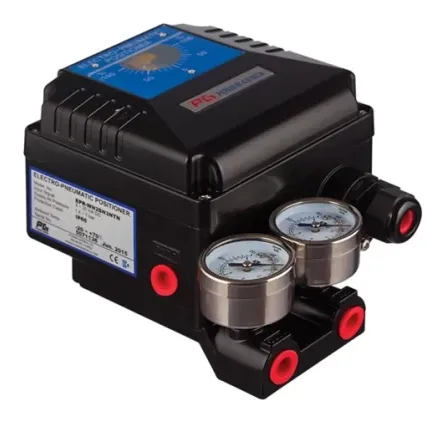
Positioners
Regulates flow by holding the valve at intermediate positions; operates with an analog signal.
Product images: hidroticaret.com and manufacturers.
How to select
The actuator is sized for the valve torque, and torque changes with air pressure: manufacturer tables give the torque for each air pressure. In a single acting actuator the spring also consumes torque, so a larger body is needed for the same valve.
Mounting is by the ISO 5211 flange and the stem size; the air connection of the actuator is the NAMUR interface, and the solenoid valve mounts directly on it. Thanks to these two standards, valve, actuator and solenoid valve from different manufacturers can be combined.
Air quality determines actuator life: air carrying water and dirt wears the pistons and seals. An air preparation unit (filter regulator) should be installed on the actuator supply line.
Single acting vs double acting actuators
| Double acting | Single acting (spring return) | |
|---|---|---|
| Opening | By air | By air |
| Closing | By air | By spring |
| On air failure | Stays in last position | Returns to safe position |
| Body size for the same torque | Smaller | Larger |
| Typical use | General on/off duty | Safety critical lines (fuel, gas, steam) |
Frequently asked questions
How is pneumatic actuator torque selected?
According to the breakaway torque of the valve and the air pressure in the line, from the manufacturer tables and with a safety margin.
Why is a spring return actuator larger?
The air has to both open the valve and compress the spring, so a larger body is needed for the same valve.
How is air supplied to the actuator?
Through a solenoid valve mounted on the NAMUR interface. A filter regulator should be installed at the start of the line.
Can my manual valve be automated?
If the top flange and stem size of the valve are suitable, an actuator is mounted on it; if not, a mounting adapter is prepared.
What information do I need to provide?
The valve type, size, top flange and stem size, the air pressure in the line and the position the valve must take when air fails.
Stock, sizes and part numbers
We select and supply the products in this group according to the application. Send us your requirement, the size and the operating conditions on WhatsApp and we will recommend the right product.