
Hydraulic tools and rescue equipment
700 bar high tonnage hydraulic cylinders, hand and foot pumps and power units, hydraulic pullers, nut splitters, flange spreaders and rescue equipment.
In maintenance, assembly and rescue work, a large force comes from a small tool: a hand tool working at 700 bar lifts tens of tonnes with a cylinder the size of a palm. We select the cylinder, pump and hose together in the same pressure class, according to the required force, the stroke and the place of use. We ship hydraulic tools from stock to every part of Türkiye and abroad, and also sell them through our online store (Turkish) at hidroticaret.com.
Types
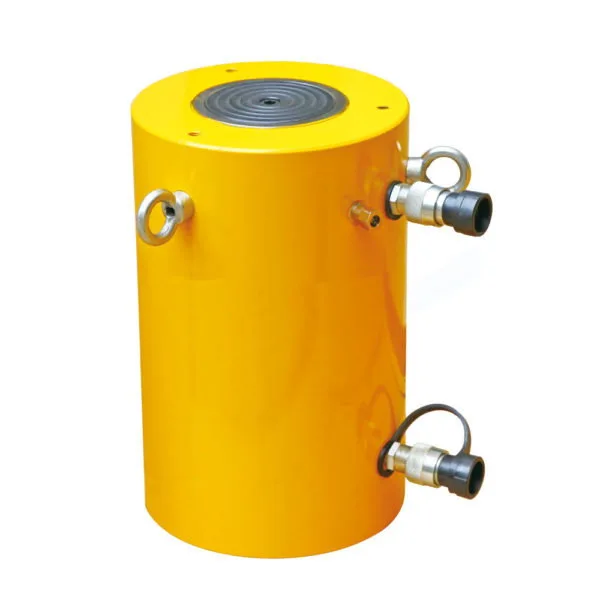
High tonnage hydraulic cylinders
Cylinders that work at 700 bar and above and deliver maximum force in minimum space. For lifting, pressing and mining applications.
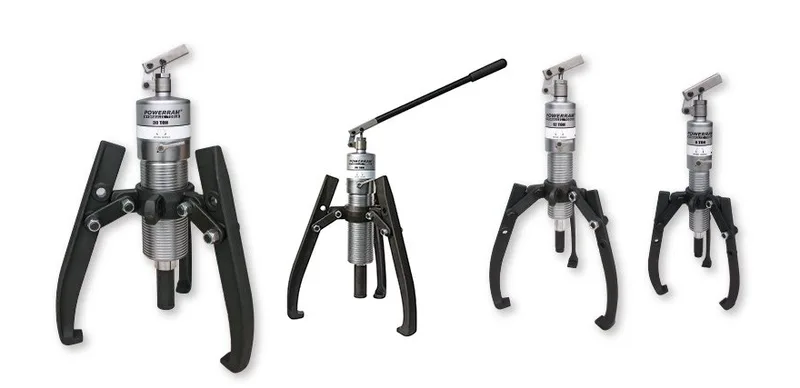
Hydraulic pullers
Pullers that remove bearings, gears and couplings from a shaft without damage.
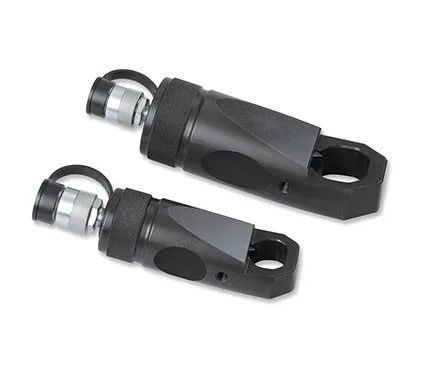
Hydraulic nut splitters
Hydraulic splitters that cut seized, rusted nuts without damaging the bolt thread.
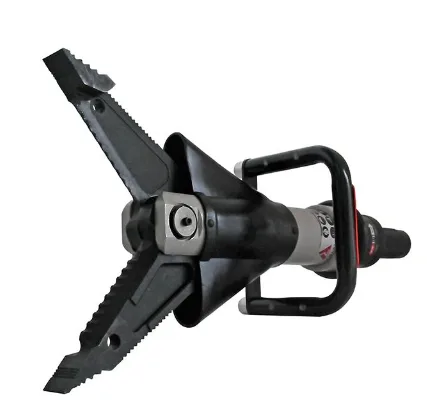
Rescue equipment
Hydraulic rescue tools for cutting, spreading and lifting in situations such as vehicle accidents and collapses.
Hand and foot pumps, power units
Hand and foot pumps that generate 700 bar and above, and air-hydraulic and electric motor driven power units.
Flange spreaders
Hydraulic and mechanical spreaders that safely separate pipeline and hydraulic system flanges for maintenance and assembly.
How to select
Selection starts with the required force, and a safety margin is left on top of it: for a 30 tonne job, a 50 tonne cylinder is both safer and longer lasting than a cylinder working at the limit of its capacity. The stroke, the gap the cylinder has to fit into and the surface the load will rest on are considered together.
High tonnage hand tools have a working pressure of 700 bar; at this pressure a small piston delivers a large force. The table below shows the piston area and diameter required for each tonnage. The cylinder, pump, hose and fittings must all be in the same pressure class; a low pressure hose becomes the weakest link in the chain.
The pump is chosen by how often it is used: a hand or foot pump for occasional use, an air driven or electric pump for continuous use. The oil capacity of the pump must be enough to complete the stroke of the cylinder.
The safety rule is simple: a lifted load is never left resting on the cylinder alone, and mechanical support is placed under it. The hose must not be bent sharply or driven over, and pressure is monitored on a pressure gauge connected to the system.
Required piston area by tonnage (700 bar)
| Force | Required piston area | Equivalent piston diameter |
|---|---|---|
| 5 tonnes | 7.0 cm² | Ø30 mm |
| 10 tonnes | 14.0 cm² | Ø42 mm |
| 20 tonnes | 28.0 cm² | Ø60 mm |
| 30 tonnes | 42.0 cm² | Ø73 mm |
| 50 tonnes | 70.1 cm² | Ø94 mm |
| 100 tonnes | 140.1 cm² | Ø134 mm |
Calculation: area = force ÷ pressure; 1 tonne = 9.81 kN, 700 bar = 70 N/mm². On actual cylinders the piston diameter is rounded to a standard size and the capacity is stated on the nameplate.
Frequently asked questions
What tonnage hydraulic cylinder should I choose?
Leave a safety margin above the required force: for example a 50 tonne cylinder for a 30 tonne job. A cylinder working at the limit of its capacity is both dangerous and short lived.
Can a standard hydraulic hose be used on a 700 bar cylinder?
No. The cylinder, pump, hose and fittings must be in the same pressure class. Hoses and fittings made for 700 bar are used.
Hand pump or powered pump?
For occasional use a hand or foot pump is sufficient. For continuous and repetitive work an air driven or electric pump saves time.
Can a lifted load be left on the hydraulic cylinder?
No. Once the load has been lifted, mechanical support is placed under it. The load is not left on the cylinder alone.
Does a nut splitter damage the bolt?
A correctly selected splitter does not damage the bolt thread while cutting the nut. The splitter is selected by nut size.
What information do I need to provide?
The required force, the stroke, the gap the cylinder has to fit into, how often it will be used and where it will be used.
Stock, sizes and part numbers
We select and supply the products in this group according to the application. Send us your requirement, the size and the operating conditions on WhatsApp and we will recommend the right product.